
How to Calculate Pipe Weight and Barlow Pressure for Preliminary Sourcing
Published: 2026-07-24 Views: 89
A practical guide to specifying ASME B16.5 pipe flanges for industrial piping systems
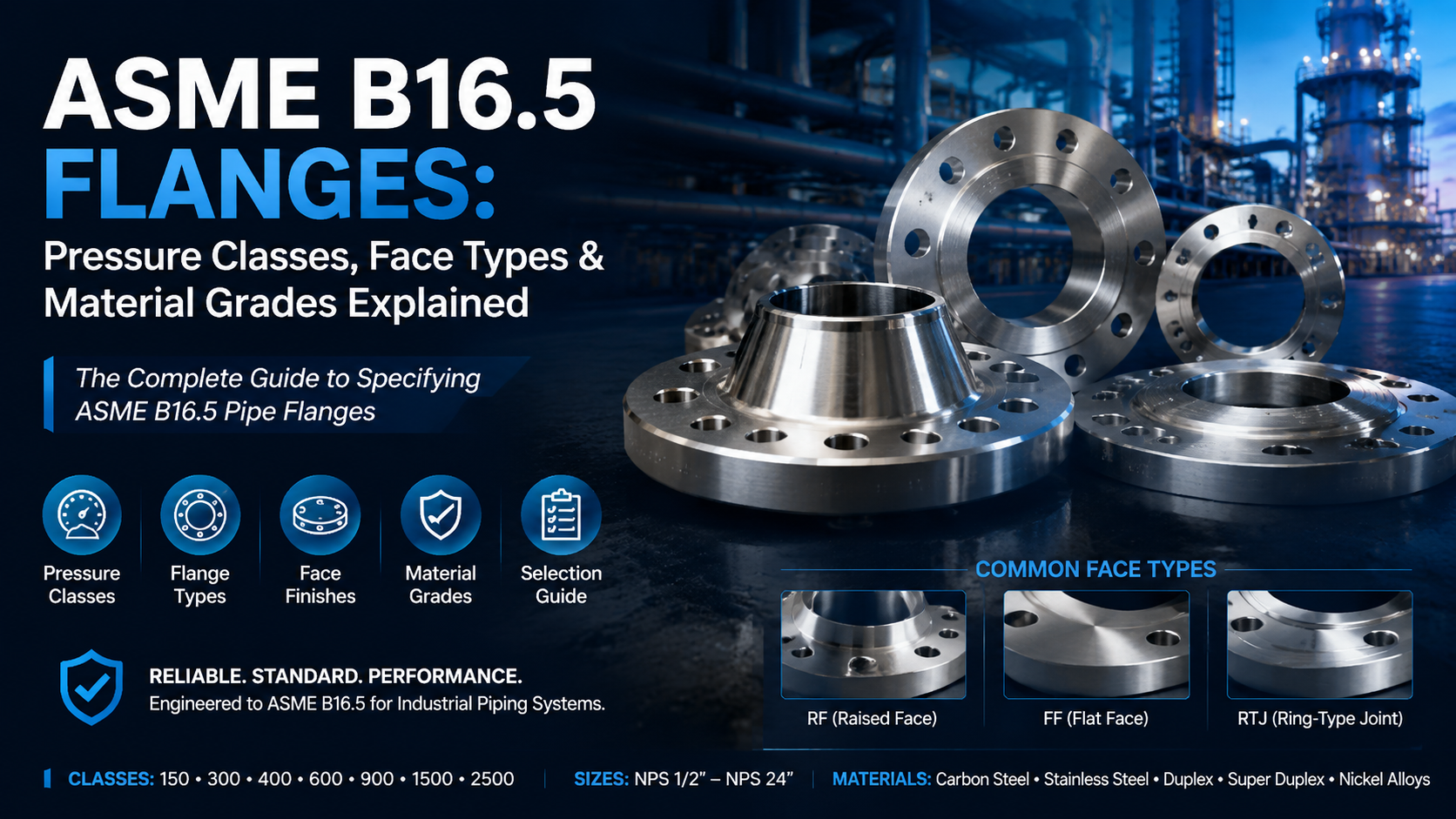
What Is ASME B16.5?
ASME B16.5 is the most widely referenced international standard for pipe flanges and flanged fittings. Published by the American Society of Mechanical Engineers, it covers dimensions, pressure-temperature ratings, materials, tolerances, marking, and testing requirements for pipe flanges and flanged fittings in NPS 1/2 through NPS 24. For procurement teams and piping designers, a clear understanding of B16.5 ensures interchangeability, structural integrity, and regulatory compliance.
ASME B16.5 Pressure Classes Explained
ASME B16.5 defines seven pressure classes — Class 150, 300, 400, 600, 900, 1500, and 2500. These class designations are not pressure values in themselves; the actual allowable working pressure depends on the flange material grade and operating temperature, as defined in the standard's pressure-temperature tables. As temperature increases, allowable pressure decreases.
Pressure Class | NPS Range | Typical Application |
Class 150 | NPS 1/2–24 | Low-pressure water, HVAC, general utility |
Class 300 | NPS 1/2–24 | Oil & gas gathering, chemical processing, steam |
Class 400 | NPS 1/2–24 | Medium-to-high pressure process piping, oil & gas production, high-pressure steam |
Class 600 | NPS 1/2–24 | High-pressure process piping, refinery |
Class 900 | NPS 1/2–24 | High-pressure oil & gas transmission |
Class 1500 | NPS 1/2–24 | High-pressure oil & gas, refinery, and selected subsea applications |
Class 2500 | NPS 1/2–12 (limited sizes) | Extreme pressure applications including specialized oil & gas service |
Actual availability depends on flange type, material group, and ASME B16.5 dimensional tables.
Common ASME B16.5 Flange Types
Weld Neck (WN)
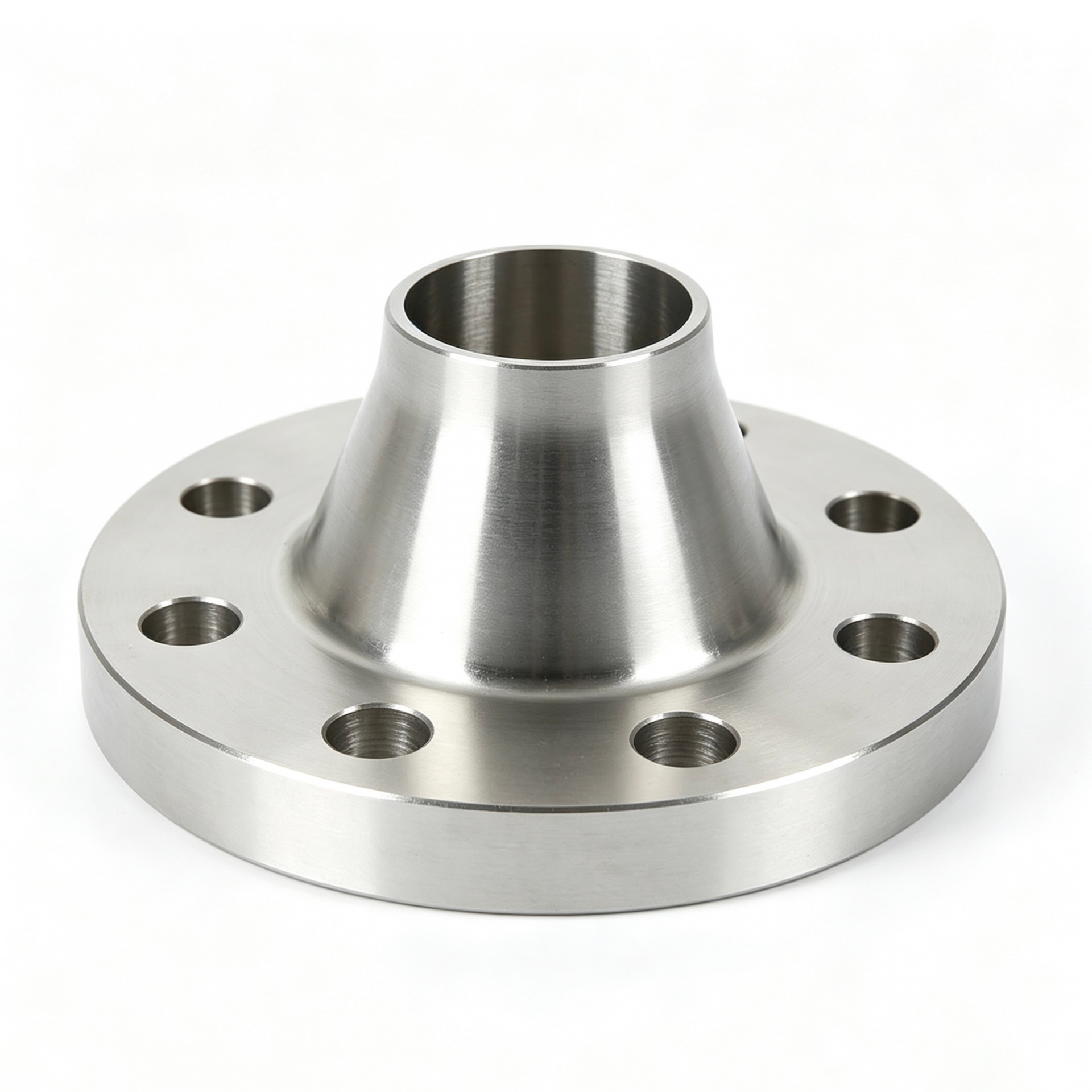
The most robust flange type, with a long tapered hub that is butt-welded to the pipe. WN flanges provide excellent structural integrity under high pressure, temperature, and cyclic loading — making them the preferred choice for critical process piping and offshore applications.
Slip-On (SO)
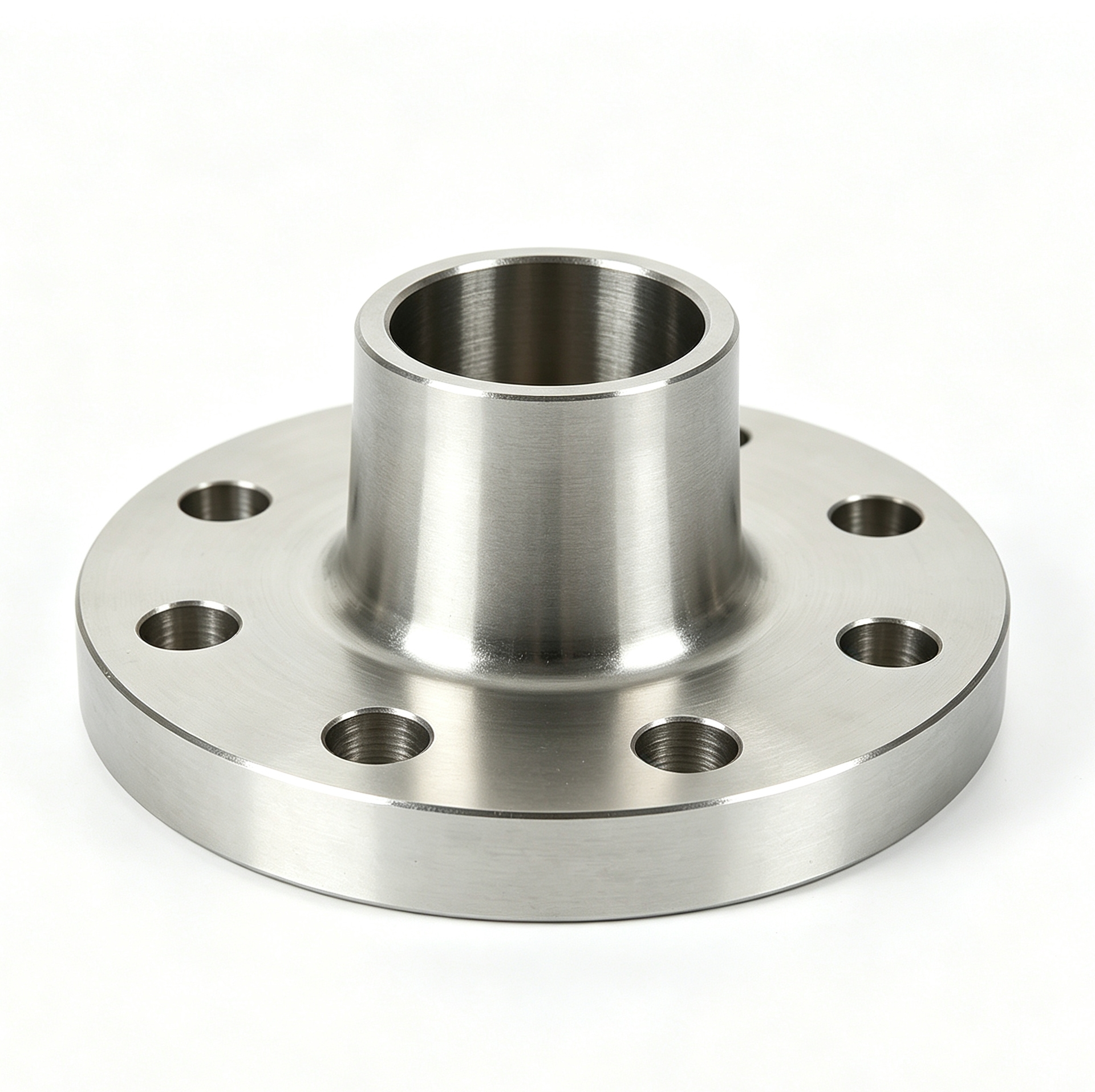
Slips over the pipe end and is fillet-welded both inside and outside. Easier to align than WN flanges and lower in cost, slip-on flanges are economical and widely used in low-to-medium pressure applications, but their lower fatigue strength makes them less suitable for severe cyclic loading or critical service.
Socket Weld (SW)
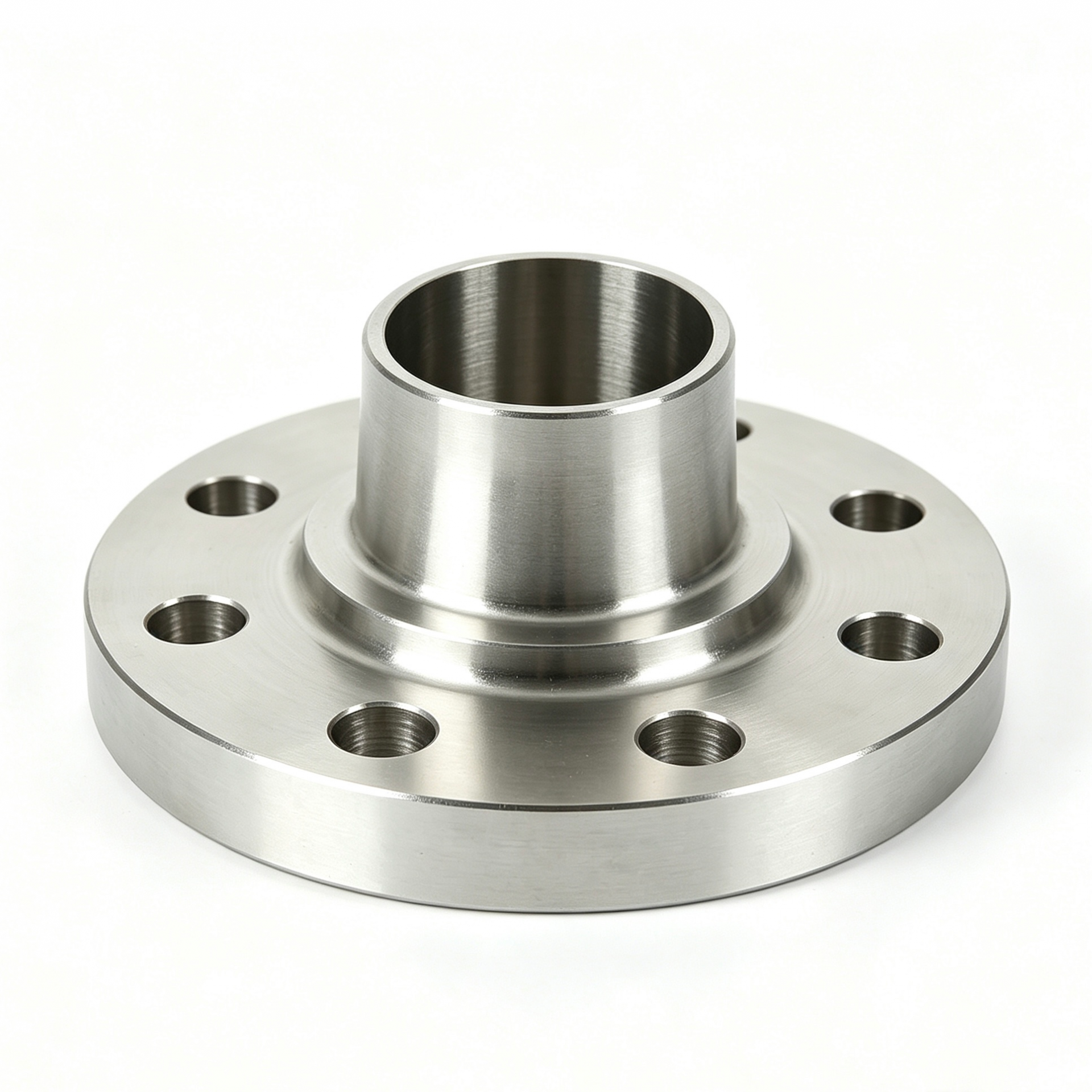
The pipe end inserts into a socket and is fillet-welded. Commonly used for small-bore piping (NPS 2 and smaller) in high-pressure applications. Not recommended for corrosive service where crevice corrosion between the pipe and socket is a concern.
Threaded (TH)
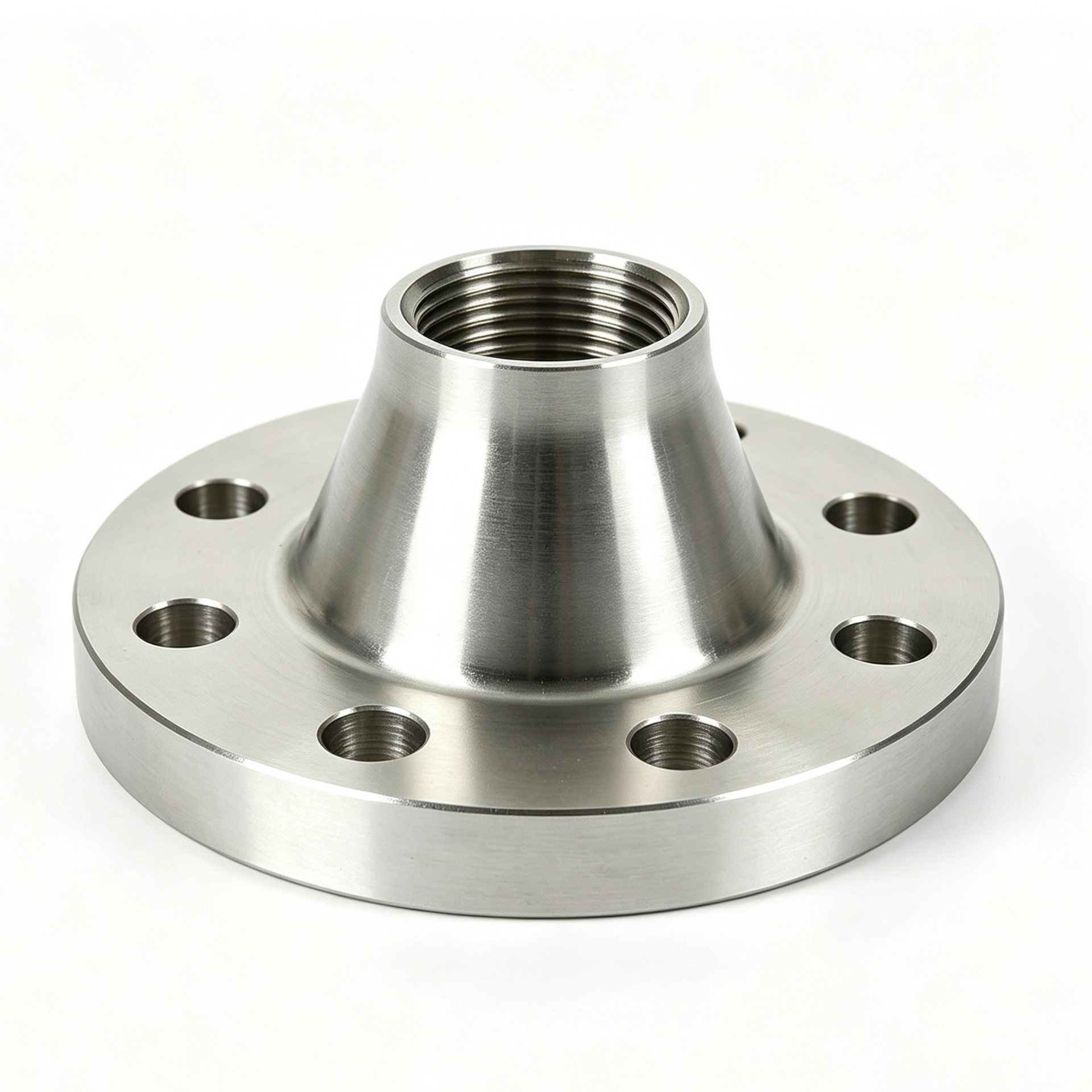
Connects via NPT threads without welding. Used in small-bore, low-pressure utility lines and where welding is impractical or prohibited due to operational constraints.
Lap Joint (LJ)
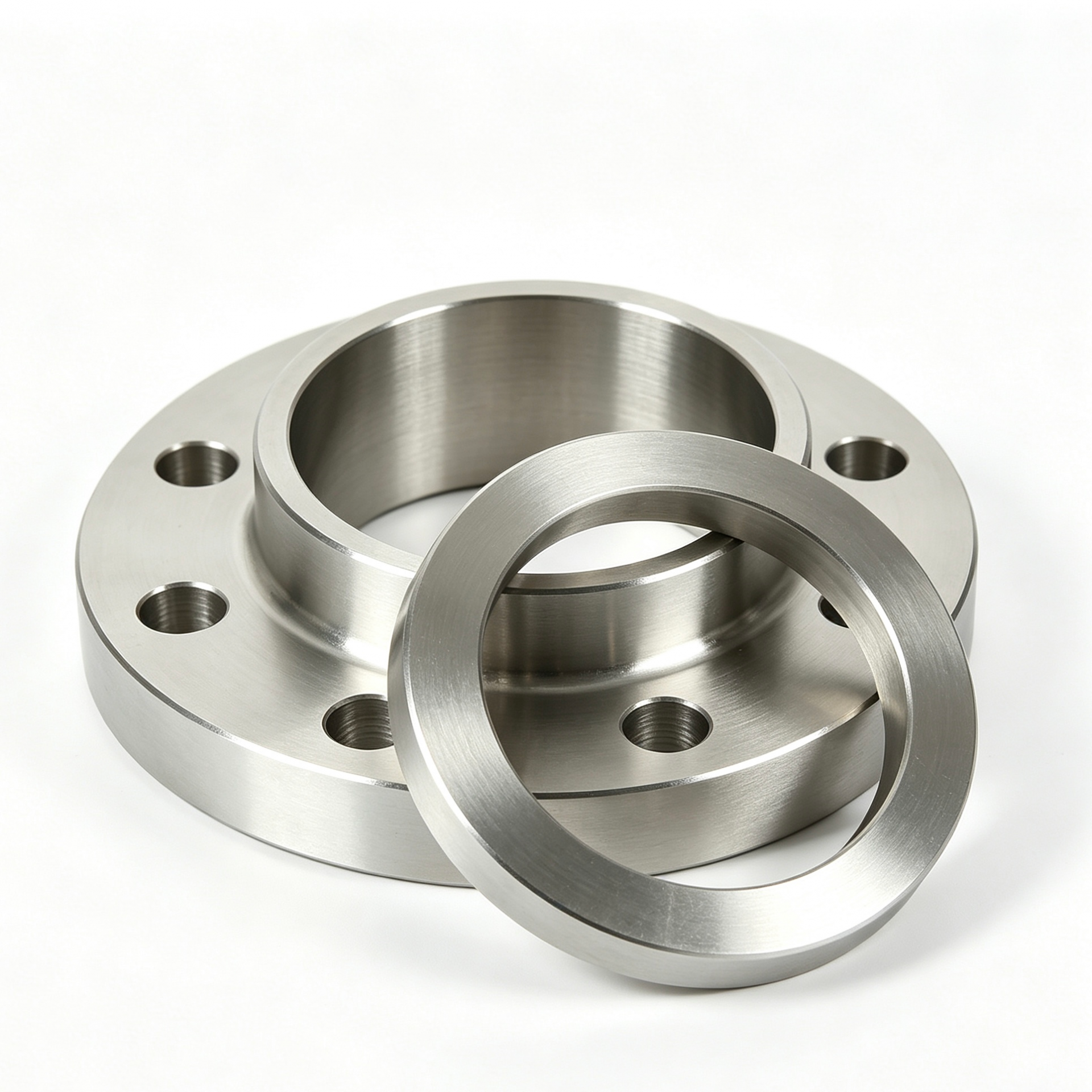
Used with a stub end, the flange slides freely over the stub end which is butt-welded to the pipe. Ideal for systems requiring frequent disassembly, They can also simplify maintenance in systems using corrosion-resistant stub ends with carbon steel backing flanges.
Blind (BL)
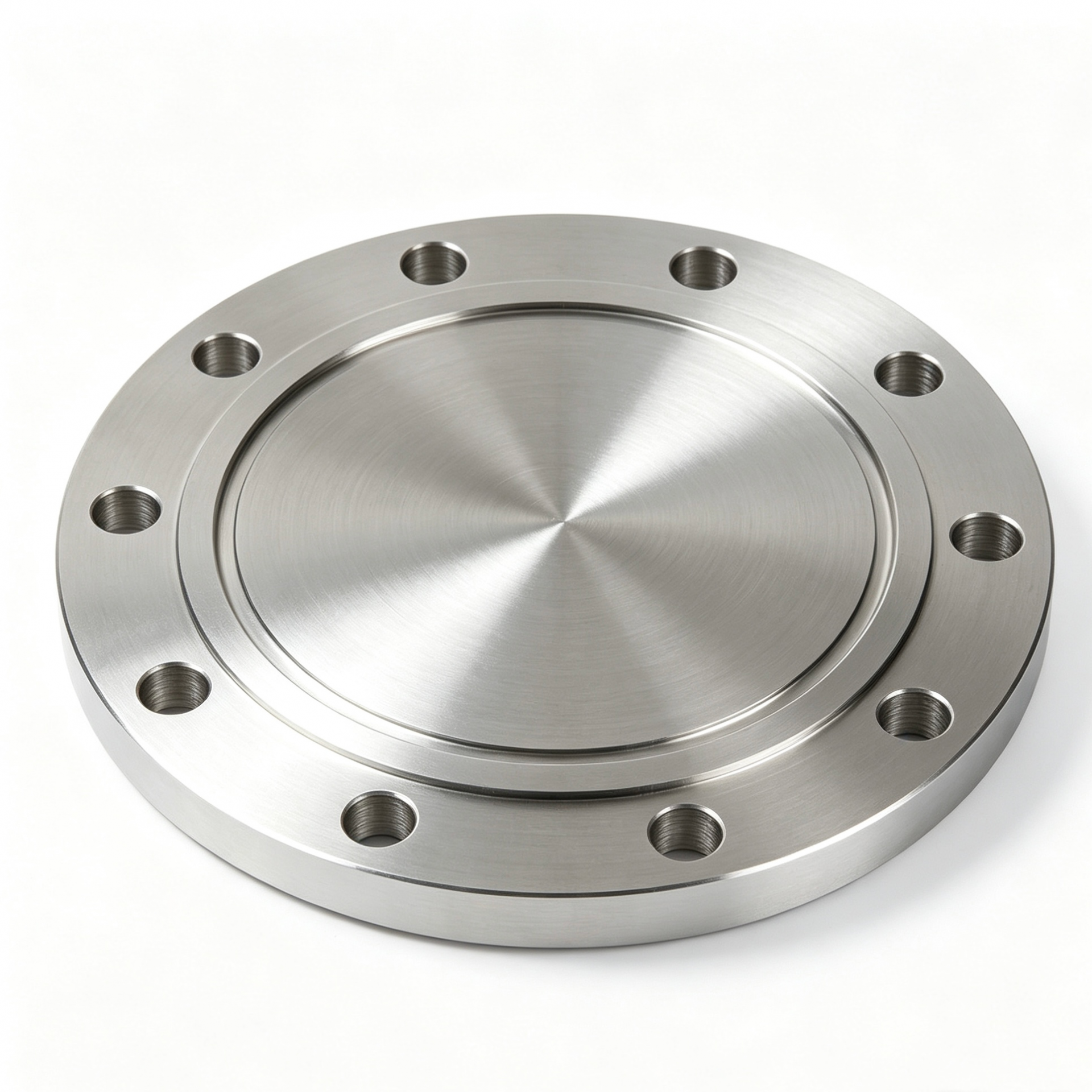
A solid disk used to close the end of a piping system or pressure vessel opening. Available in all pressure classes and commonly used for isolation and future expansion points.
ASME B16.5 Flange Face Types
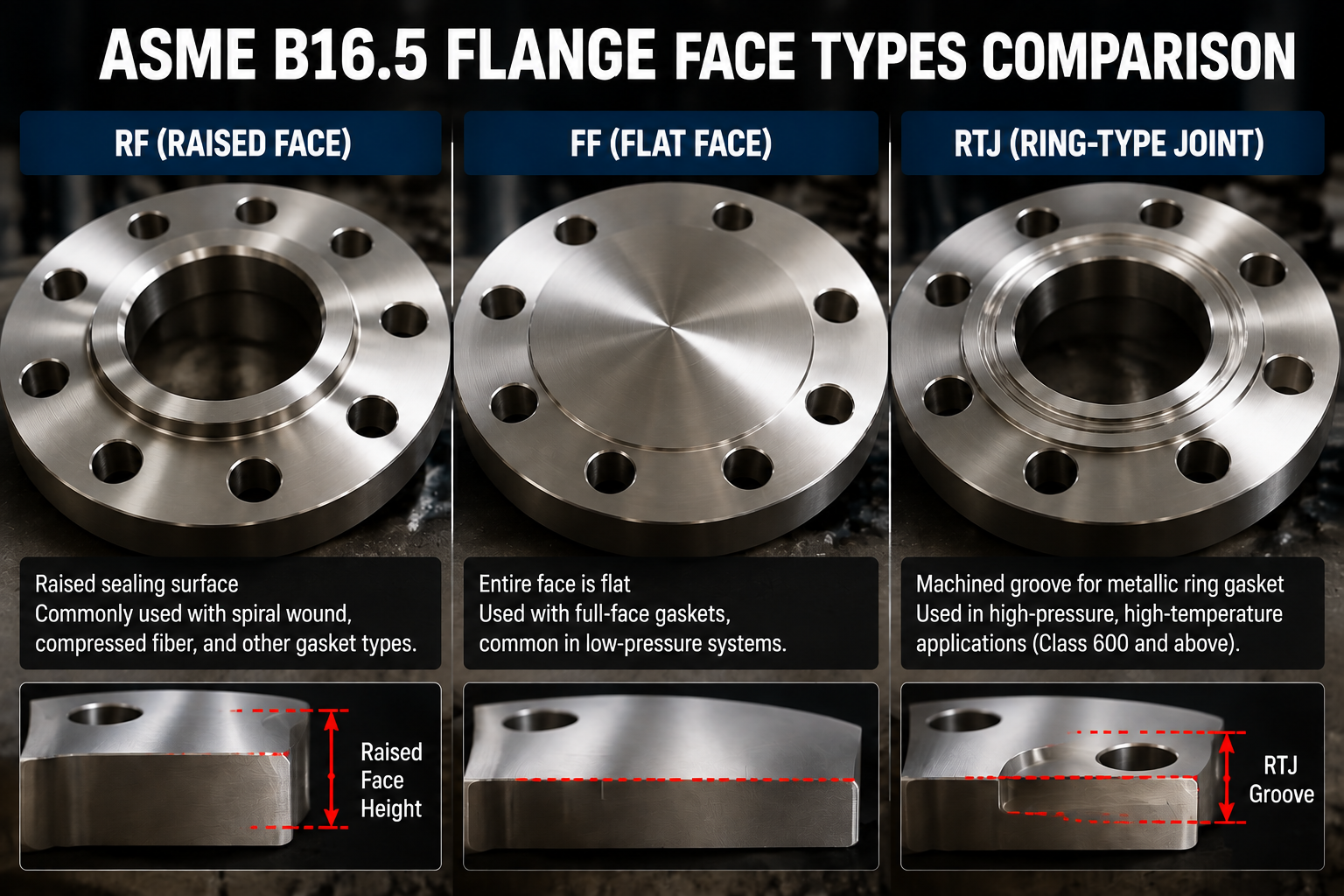
The flange face finish determines the sealing surface and must be matched to the gasket type:
· Raised Face (RF): The most common type, with a raised sealing surface. Commonly used with spiral wound, compressed fiber, and other gasket types depending on service conditions.
· Flat Face (FF): Entire face is flat, used with full-face gaskets. Common in cast iron and low-pressure systems.
· Ring-Type Joint (RTJ): A machined groove accepts a metallic oval or octagonal ring gasket. Commonly used in high-pressure and high-temperature applications, especially Class 600 and above.
ASTM A182 Stainless Steel Flange Materials
Common forging specifications include ASTM A182 for stainless steel alloys, ASTM A105 for carbon steel, and other material specifications depending on service requirements. Common stainless and duplex grades include:
· F304 / F304L — general-purpose austenitic stainless
· F316 / F316L — molybdenum-bearing, improved chloride resistance
· F321 — titanium-stabilized, for high-temperature service
· F51 / F60 (S31803 / S32205) — duplex stainless, high strength and corrosion resistance
· F53 (S32750 ) — super duplex, for subsea and extreme chloride service
· F55 (S32760 )
· F310 / F310H — high-temperature austenitic, for furnace and heat exchanger applications
Procurement Checklist
· Confirm standard and revision year.
· Specify pressure class, size, and type (WN, SO, SW, etc.).
· State face finish (RF, FF, RTJ) and gasket compatibility.
· Provide material grade (e.g., ASTM A182 F316L) and any low-carbon or stabilized requirements.
· Request Mill Test Certificate (MTC) per EN 10204 3.1 or 3.2.
· Specify NDE and third-party inspection requirements (BV, DNV, ABS, SGS).
· Confirm marking: manufacturer, grade, size, class, standard, heat number.
Need help selecting stainless steel pipe grades for seawater, chemical, or oil & gas applications? Zhuoli Pipeline provides ASTM-compliant stainless steel, duplex, and nickel alloy piping solutions with full MTC documentation. Contact us NOW:commercial@zhuoli-pipeline.com .